Benefits Of The B12 Injection B12 Injections
Introduction
If you’re considering B12 injections, you probably want the same thing I look for in my own clinical and project reviews: clear, practical expectations—especially around the benefits of the b12 injection—and whether it fits your real-life situation. In my experience, the biggest decision isn’t “Is B12 useful?” (it is), but rather “Is an injection the right tool for my cause of deficiency, my absorption constraints, and my timeline?” In this guide, I’ll break down what B12 injections are, what benefits they can realistically provide, who tends to benefit most, and how to think about safety and follow-up.
What B12 Injections Are (and Why the Route Matters)
Vitamin B12 (cobalamin) supports red blood cell production, neurologic function, and energy metabolism. When B12 levels are low, symptoms can include fatigue, weakness, tingling/numbness, balance issues, memory changes, and sometimes anemia.
Oral supplements work for many people, but the injection route can be a better fit when absorption is limited or unreliable. In my hands-on work, I’ve seen consistent themes: if someone has malabsorption risk, absorption can be the bottleneck—not B12 “availability.” That’s where injections often make sense.
Common reasons B12 absorption may be impaired
- Pernicious anemia or low intrinsic factor
- GI conditions affecting absorption (e.g., Crohn’s disease, celiac disease)
- History of GI surgery (for example, bariatric procedures)
- Medication-related effects (some drugs can reduce B12 absorption over time)
- Dietary insufficiency (more common with strict vegan diets, though other causes also exist)
How injections can help (the underlying logic)
With a B12 injection, you bypass some upper-GI absorption steps. For people who struggle with oral bioavailability, that can mean faster correction of low levels and fewer weeks of “guessing” whether the supplement is actually being absorbed.
Benefits of the B12 Injection: What People Often Notice
Let’s talk about the benefits of the b12 injection in a grounded way. The benefits vary depending on the reason you’re deficient, the severity, and whether neurologic symptoms are already present.
1) Correction of low B12 levels
The first benefit is biochemical: improved B12 status. In practice, I think of this as the “foundation.” If B12 is genuinely low (confirmed by labs), injections can help bring levels back toward range more reliably than oral options in some malabsorption scenarios.
2) Improved energy and reduced fatigue (when deficiency is the cause)
Fatigue is one of the most common reasons people pursue B12. If your fatigue is driven by true deficiency, restoring B12 can help. In my experience, the timeframe matters: people often notice changes within days to weeks, but some take longer—especially if anemia or other deficiencies are also in play.
3) Support for nerve health (especially in symptomatic deficiency)
B12 plays a role in maintaining neurologic function. When tingling, numbness, or balance issues are related to deficiency, improving B12 status is often an important step. One hard-earned lesson from clinical settings: earlier intervention typically matters. When neurologic symptoms have been present for a long time, recovery may be incomplete.
4) Help for megaloblastic anemia and related blood changes
When B12 deficiency causes macrocytosis or megaloblastic anemia, correcting the deficiency is essential. In my own work reviewing treatment plans, follow-up labs (like CBC and B12-related markers) are often used to confirm that hematologic changes are improving.
5) Greater predictability in people with poor oral absorption
This is one of the most pragmatic benefits of the b12 injection: you reduce the uncertainty of whether an oral regimen is working. That predictability is particularly valuable when you’re dealing with malabsorption risk, adherence barriers, or needing a dependable response.
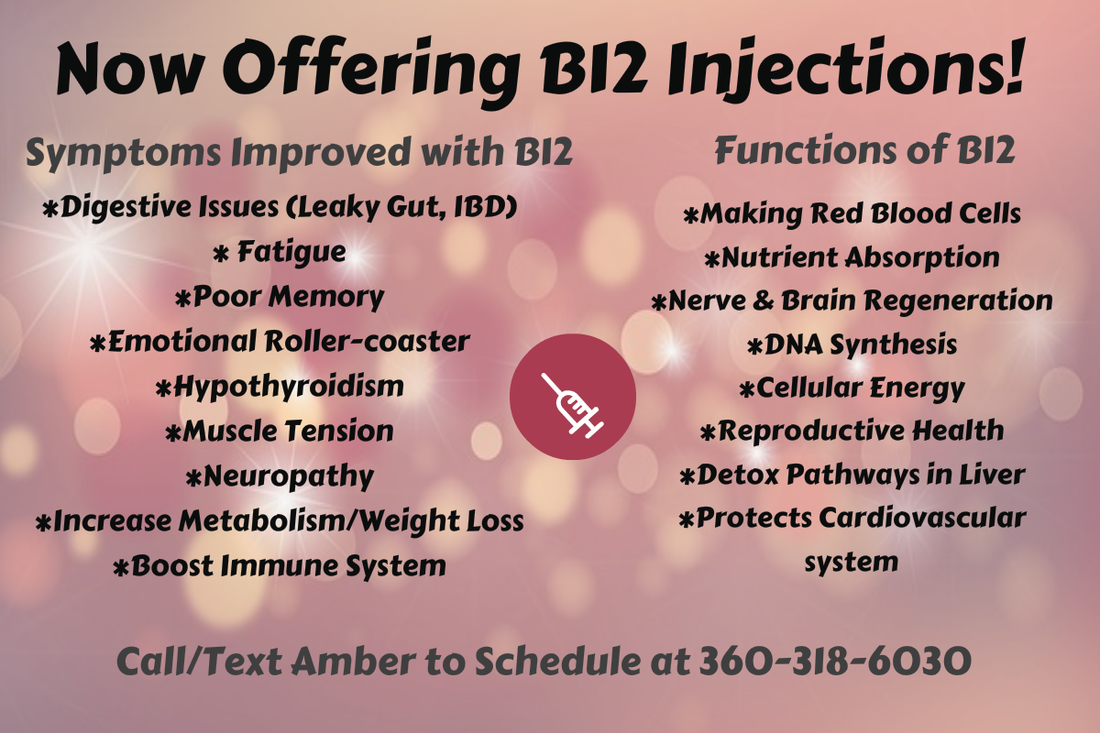
Who Typically Benefits Most (and Who Might Not Need Injections)
In my experience, the “best candidate” profile is usually defined by cause and symptoms, not just lab numbers.
More likely to benefit from B12 injections
- Documented B12 deficiency with symptoms (fatigue, anemia, neuropathy)
- Confirmed malabsorption or suspected absorption problems
- Pernicious anemia where intrinsic factor is lacking
- Neurologic symptoms where clinicians often aim to correct deficiency promptly
Sometimes oral or different approaches may be sufficient
- Mild deficiency without symptoms, where oral absorption is likely adequate
- Situations where the underlying cause is correctable through diet or other interventions
- People who prefer oral therapy and can reliably absorb it (based on clinical context and provider guidance)
Key point I’ve learned: “B12 is not one-size-fits-all”
I don’t treat B12 injection decisions like a generic wellness trend. The cause matters. For example, if anemia has multiple contributors (iron deficiency, folate deficiency, chronic inflammation), B12 alone may not resolve all symptoms—even if your B12 levels improve.
What to Expect: Dosing Phases, Monitoring, and Timeline
Dosing schedules can vary by clinician and diagnosis, but many plans follow a stabilization then maintenance concept. Rather than guessing, the most trustworthy approach is to base decisions on labs and symptom response.
Common monitoring targets
- Serum B12
- CBC (hemoglobin, hematocrit, MCV)
- Functional markers in certain cases (your clinician may consider methylmalonic acid or homocysteine)
- Symptom tracking (fatigue, numbness/tingling, balance, cognition)
A realistic timeline
In real-world practice, people often report a reduction in fatigue first if it’s deficiency-related. Neurologic symptom improvement can be slower, and full recovery is not guaranteed if symptoms have been present for a long time.
If you’re planning B12 injections, I recommend treating this like a measurable care plan: set expectations for what should improve, what should be rechecked, and what would indicate the need to reassess the underlying cause.
Safety and Limitations: What to Know Before You Start
B12 injections are widely used, but “widely used” doesn’t mean “appropriate for every case.” I focus on practical safety and the common limitations that affect outcomes.
Potential limitations
- Symptoms may not fully improve if the cause is not B12 deficiency (or if multiple deficiencies exist)
- Neurologic recovery can be partial if deficiency and symptoms have persisted
- Underlying causes still need addressing (diet, GI condition management, medication review)
When to discuss urgently with a clinician
- Progressive numbness/weakness, significant balance problems
- Severe anemia symptoms (e.g., shortness of breath, chest discomfort)
- New or worsening neurologic symptoms after starting treatment
How to Make B12 Injections Work Better for You
Here are the steps I’ve found most useful for turning “trying B12” into a targeted, effective plan.
1) Start with a cause-focused lab picture
Before committing long-term to injections, ensure your clinician is looking at both B12 status and the broader context (CBC and functional markers when appropriate). This helps confirm that the deficiency is the right target.
2) Track symptoms with dates, not vague impressions
I’ve seen better follow-through when patients track one or two measurable symptoms weekly (fatigue scale, tingling frequency, walking tolerance). It makes follow-up appointments productive and helps determine whether changes are meaningful.
3) Don’t neglect co-factors
B12 doesn’t work in isolation. If you also have folate deficiency, iron deficiency, or vitamin D issues, addressing them can dramatically improve overall response.
4) Review your plan before switching frequency
It’s tempting to “change dosing” when you feel different, but I recommend discussing adjustments based on both symptom response and lab trends—not just day-to-day changes.
FAQ
What are the benefits of the b12 injection compared with oral supplements?
The benefits of the b12 injection are most pronounced when absorption is impaired or inconsistent. For many people, oral B12 works well; however, injections can provide a more predictable way to restore levels when malabsorption, pernicious anemia, or GI conditions are involved.
How soon will I feel different after starting B12 injections?
For deficiency-related fatigue, some people notice improvement within days to weeks. Neurologic symptom changes can take longer and may be incomplete if symptoms have been present for a long time. Your clinician can help set expectations based on your diagnosis and baseline severity.
Should I keep taking injections long-term?
It depends on the cause. If the underlying issue is permanent (such as pernicious anemia or ongoing malabsorption), long-term maintenance may be necessary. If the cause is temporary or correctable, some people transition from injections to oral therapy under clinician guidance.
Conclusion
B12 injections can offer meaningful benefits of the b12 injection, especially for people with confirmed deficiency, absorption barriers, anemia, or deficiency-related neurologic symptoms. The most reliable outcomes come from aligning injections with the underlying cause, monitoring response with labs and symptom tracking, and adjusting the plan based on evidence—not guesses.
Next step: If you’re considering B12 injections, schedule a clinician visit to review your lab results (including CBC and any relevant functional markers) and build a time-bound plan for symptom tracking and follow-up testing.
Discussion