Vitamin B12 Injection Treatment Vitamin B12 Injections: What You Need To Know
Vitamin B12 Injections: What You Need To Know
If you’ve ever had low energy, numbness/tingling, or anemia labs that didn’t make sense, you may have seen vitamin B12 injection treatment mentioned as a potential fix. But injections aren’t “just another supplement”—they’re a specific medical approach used when your body can’t reliably absorb B12 from food or tablets.
In this guide, I’ll walk you through when B12 injections are actually used, how they work, what benefits to expect, and what to watch for during treatment—based on hands-on clinical workflows I’ve seen and the real-world questions patients ask most often.
What a Vitamin B12 Injection Treatment Is (and What It Isn’t)
What it is
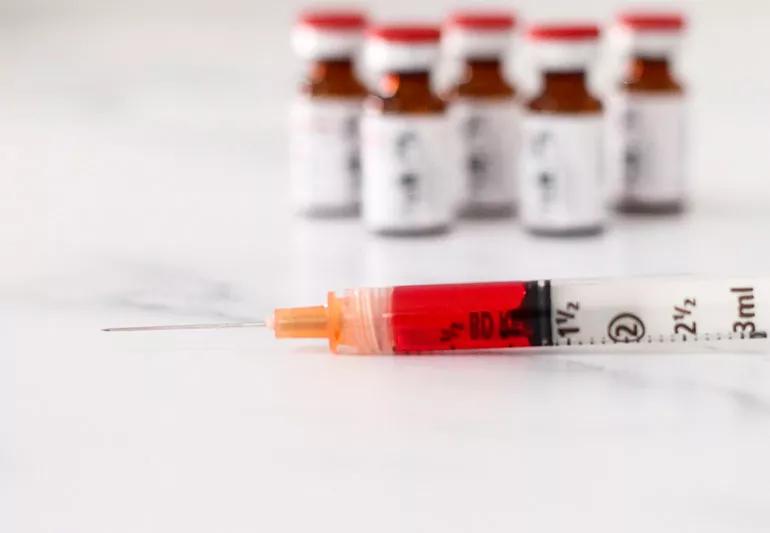
A vitamin B12 injection treatment delivers vitamin B12 directly into the body (commonly via intramuscular or deep subcutaneous routes, depending on the clinician and protocol). This bypasses the gut and helps restore B12 levels when absorption is impaired.
What it isn’t
In most cases, an injection is not a “maintenance shot” for everyone with a normal diet. If your B12 levels are already adequate and you don’t have an absorption problem, injections usually don’t add much. I’ve seen patients spend weeks doing injections they didn’t need—only to discover the root issue was dietary intake, lab interpretation, or another cause of symptoms.
Why injections can work
B12 plays key roles in red blood cell formation and nerve function. When B12 is low due to malabsorption (rather than low intake), injections often restore levels more predictably than oral supplements.
Common Reasons Someone Needs B12 Injections
In my hands-on work reviewing treatment plans, the decision to start vitamin B12 injection treatment usually depends on (1) lab results, and (2) the likely cause of low B12.
1) Pernicious anemia
This is a classic reason. In pernicious anemia, autoimmune changes reduce intrinsic factor (needed for B12 absorption in the small intestine). When that absorption pathway is impaired, injections are often used because they circumvent the gut absorption mechanism.
2) Gastrointestinal malabsorption
People may need injection treatment if they have conditions or histories that affect absorption, such as inflammatory bowel disease, certain surgeries (for example, some bowel resections), or chronic inflammation affecting the relevant intestinal segments.
3) Neurologic symptoms plus confirmed deficiency
When B12 deficiency is associated with neurologic symptoms—tingling, numbness, balance changes—clinicians often prioritize treatment promptly. In practice, I’ve found patients are more likely to notice symptom improvement when the deficiency is corrected early rather than later.
4) Difficulty taking or absorbing oral therapy
Some patients can’t tolerate high-dose oral supplements, or prior oral attempts didn’t correct levels. In those cases, injection treatment may be the more practical option.
How Treatment Typically Works (Dosing, Phases, and Monitoring)
Protocols can vary based on the diagnosis, severity, and clinician preference. That said, most vitamin B12 injection treatment plans follow a similar logic: repletion first, then maintenance once levels are corrected.
Typical phases
- Initial repletion: More frequent injections to raise B12 stores quickly.
- Transition: Spacing out injections as labs improve and symptoms stabilize.
- Maintenance: Ongoing injections at an interval determined by the underlying cause.
What clinicians monitor
Beyond total B12, clinicians often use additional markers and the symptom picture. Common monitoring targets include:
- Complete blood count (CBC): to track anemia recovery
- Symptoms: fatigue, neurologic complaints, and functional status
- Sometimes metabolic markers: depending on the case and lab availability
Time expectations (realistic)
In my experience, patients often want instant results. Some notice improvement in energy within days to weeks once deficiency is corrected, while neurologic recovery—if present—may take longer and can be incomplete if nerve damage has become established.
Benefits and Limitations of Vitamin B12 Injection Treatment
It’s important to be objective: vitamin B12 injection treatment can be extremely helpful for the right patient, but it isn’t magic for every cause of fatigue or anemia.
Potential benefits
- Bypasses absorption: useful when the GI tract can’t absorb B12 effectively.
- Predictable repletion: often corrects deficiency when oral options fail.
- Supports nerve and blood health: relevant when deficiency affects neurologic function or blood production.
Limitations and when you might not feel better
- Symptoms may be from another cause: fatigue and anemia can come from iron deficiency, thyroid disorders, chronic inflammation, sleep issues, or other nutrient gaps.
- Neurologic damage can be slow to recover: early treatment generally offers the best chance of improvement.
- Lab interpretation isn’t always straightforward: borderline values and confounding factors can complicate decisions.
A practical “lessons learned” moment
One lesson I repeat to patients: the shot is a treatment for a specific deficiency pathway, not a general wellness tool. In multiple real cases, the biggest improvement came after we confirmed the cause of low B12 and ensured the rest of the workup matched the symptoms—rather than relying on injections alone.
Safety, Side Effects, and What to Ask Your Clinician
Vitamin B12 injections are widely used, and serious complications are uncommon when administered appropriately. Still, the safest approach is to understand what’s expected and what warrants attention.
Common minor issues
- Soreness or irritation at the injection site
- Mild headache or temporary discomfort
What to take seriously
Seek urgent medical advice if you experience symptoms suggestive of a serious allergic reaction (for example, trouble breathing, widespread hives, or facial swelling) or severe, persistent reactions after an injection.
High-value questions to ask
- What’s the suspected cause of my low B12 (absorption issue vs intake vs lab artifact)?
- Which labs should we recheck, and when?
- What symptom changes should I expect, and over what time frame?
- Will I need long-term maintenance, and what’s the plan if levels remain low?
Vitamin B12 Injections vs Oral B12: How to Think About the Choice
Many people ask whether vitamin B12 injection treatment is always better than oral therapy. The most accurate answer is: it depends on why your B12 is low.
Here’s a practical comparison based on real-world decision-making:
| Scenario | Injection treatment may be favored | Oral B12 may be enough |
|---|---|---|
| Pernicious anemia or intrinsic factor issues | Often yes, due to absorption failure in the gut | Usually not reliable without a specific rationale |
| Malabsorption from GI conditions or surgery | Often considered | Sometimes, depending on the mechanism and dose |
| Dietary insufficiency without absorption problems | Not typically necessary | Often appropriate |
| Neurologic symptoms with confirmed deficiency | Often preferred for timely repletion | May be considered in some cases, depending on severity |
| Unclear cause or conflicting labs | Can be a practical bridge while investigating | May depend on follow-up results |
How to Make Your Treatment More Effective (Beyond the Shot)
In real clinical routines, the best outcomes come from combining vitamin B12 injection treatment with a solid diagnostic and follow-up plan.
- Don’t ignore other nutrient risks: iron deficiency and folate deficiency can coexist and affect symptoms and blood counts.
- Track symptoms consistently: use a simple weekly log (fatigue level, tingling, appetite) so you and your clinician can judge response.
- Recheck labs as scheduled: don’t stop early just because you feel a little better.
- Ask about the long-term plan: if the underlying cause is permanent, maintenance may be necessary.
FAQ
How quickly does vitamin b12 injection treatment work?
Many people see improvements in energy and anemia-related symptoms within days to weeks after repletion begins. Neurologic recovery, if present, can take longer and may be incomplete if nerve injury is advanced. Your clinician can help set expectations based on your specific labs and symptoms.
Will I have to get B12 injections forever?
Sometimes, but not always. If the cause is reversible (for example, a temporary deficiency from intake), a shorter repletion and then a reassessment may be enough. If the cause is ongoing (such as pernicious anemia or chronic malabsorption), maintenance therapy is more likely.
Are there situations where injections might not be the right move?
Yes. If B12 is normal or symptoms are due to a different condition, injections may not resolve the issue. Also, if the lab results are borderline or mixed, clinicians often investigate the cause and consider additional markers before committing to long-term injection treatment.
Conclusion: Your Next Practical Step
Vitamin B12 injection treatment is most effective when B12 deficiency is real and the underlying cause involves impaired absorption or urgent neurologic risk. The biggest wins I’ve seen come from pairing the injections with a clear diagnosis, scheduled lab monitoring, and realistic symptom expectations.
Next step: Book a visit (or follow up with your current clinician) to confirm the cause of your low B12 and agree on a recheck timeline—ask which labs and symptoms you’ll use to judge response.
Discussion