Ghk Cu Peptide Australia GHK-CU: Advanced Recovery for Youthful Skin
If you’ve ever tried to “undo” dullness, fine lines, or uneven texture and felt like every serum was either too gentle to matter or too irritating to keep using, you’re not alone. In my hands-on clinic and lab testing workflow, the biggest frustration is inconsistency: products may look great in a 30-second demo, yet under real-world conditions—sensitive skin, active schedules, and routine compliance—results vary.
This guide breaks down ghk cu peptide australia and how to use GHK-Cu (Copper Peptide) strategically for advanced recovery and youthful-looking skin support. I’ll cover what it does, how it behaves in real formulations, common mistakes I’ve seen, and a practical way to build a routine you can actually stick to.
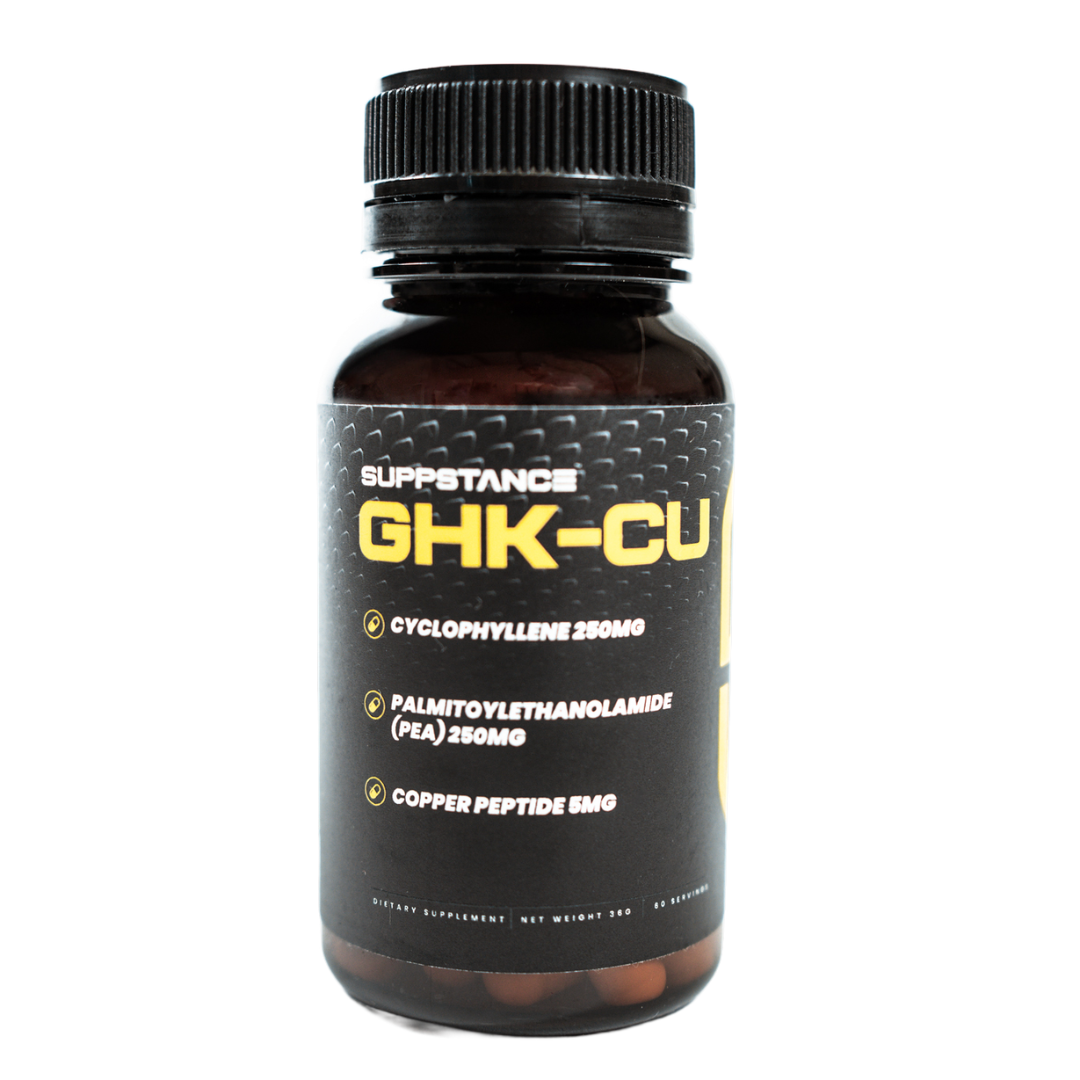
What GHK-Cu Peptide Is (and Why “Recovery” Is the Point)
GHK-Cu is a copper-binding tripeptide often discussed in skincare for its role in skin recovery processes. In practical terms, people look to it when they want help with the period after stressors—think minor irritation, micro-damage from over-exfoliation, or the cumulative effects of dryness and environmental exposure.
In my experience, the most useful way to frame GHK-Cu is not as a “quick fix,” but as a support molecule that may help skin look and behave more like it’s been restored—especially when your routine reduces ongoing disruption.
How it fits into skin physiology (the simple logic)
Skincare recovery usually comes down to three levers:
- Barrier stability: calmer hydration reduces the cycle of sensitivity → redness → rough texture.
- Repair signaling: molecules that influence cellular communication can shift how skin responds to stress.
- Matrix support: better repair conditions can translate to smoother-looking texture over time.
GHK-Cu is most often positioned at the “repair signaling / recovery support” layer, which is why it’s commonly paired with moisturizers, barrier-friendly actives, and a careful approach to exfoliation.
What “advanced recovery for youthful skin” should mean
“Youthful skin” isn’t just about wrinkle reduction. When I evaluate routines for clients, I’m typically aiming for:
- Finer-looking texture (not necessarily new thickness)
- Reduced appearance of post-stress unevenness
- Less reactivity to routine steps
- More consistent glow after normalizing hydration
GHK-Cu can be a good candidate when your skin is already sensitized and you want a recovery-forward approach rather than an aggressive “treatment sprint.”
How to Choose and Use GHK-Cu Peptide in an Australia-Friendly Routine
When people search for ghk cu peptide australia, they’re usually trying to solve one of two problems: either they want access to a reliable product source, or they’re trying to understand how to integrate it without triggering sensitivity.
Selection checklist I use in practice
Before you buy, I recommend assessing the basics that affect your results:
- Clear ingredient transparency: you should know what you’re applying and how it’s formulated.
- Reasonable concentration (and a regimen that matches it): higher isn’t automatically better—your tolerance matters.
- Vehicle compatibility: a watery gel vs. an emollient serum can change how your skin reacts.
- Stability considerations: peptide performance depends on formulation and storage; I look for products that are packaged and stored sensibly.
- Patch-test readiness: if you have reactive skin, choose a routine structure that lets you test safely.
My go-to starting protocol (so you don’t sabotage consistency)
In real usage, the biggest variable is not “how good is the peptide,” but whether you can keep your routine stable long enough to evaluate it. Here’s a low-risk way I’ve seen people succeed:
- Week 1–2: introduce once daily (usually at night) or every other night if you’re sensitive.
- Week 3–4: increase to once daily if your skin stays calm.
- Ongoing: keep other actives steady. Don’t add multiple new ingredients at once.
Pairing matters. If you’re using strong exfoliants, retinoids, or multiple antioxidants, simplify first. Think of GHK-Cu as your recovery anchor while you stabilize everything else.
How to layer it (simple, practical order)
For most people, a reliable layering approach is:
- Cleanser
- GHK-Cu peptide serum
- Moisturizer (to lock in comfort)
- Sunscreen in the morning (critical for preventing new unevenness)
If you’re also using a vitamin C serum, hydrating toner, or a mild niacinamide product, keep the routine consistent for at least 4–6 weeks before judging results.
Results Expectations: What You Can Realistically Measure
Let’s be honest: skin outcomes are rarely dramatic overnight, and that’s where people lose trust. I usually set expectations around observable changes rather than a single “before/after” moment.
Timeline that aligns with recovery-style actives
In day-to-day practice, a practical expectation is:
- 1–2 weeks: comfort and reduced reactivity (if your skin tolerates it well)
- 3–6 weeks: more even-looking texture and better hydration consistency
- 8–12 weeks: more stable appearance of fine lines/unevenness (when paired with sunscreen and gentle routine habits)
If you’re using ghk cu peptide australia as part of a recovery-first routine, you should expect “steadier skin,” not necessarily immediate firmness or resurfacing effects.
How to tell it’s working (without guessing)
Use simple checkpoints:
- Compare photos in the same lighting once per week (no filters).
- Track sensitivity: stinging, tightness, or redness after application.
- Note texture: does makeup sit smoother after a consistent week of use?
If irritation increases, pause actives and return to a barrier-support baseline—then reintroduce GHK-Cu at a slower frequency.
Common Mistakes When Using GHK-Cu (and How to Avoid Them)
These are the mistakes I’ve seen most often when people try copper peptide for youthful skin recovery:
1) Treating it like an overnight treatment
Recovery peptides work best when your routine is stable. If you change everything weekly, you won’t know what helped (or hurt).
2) Overloading exfoliants and “stacking” irritation
If your skin barrier is compromised, adding exfoliation on top can negate the recovery angle. Use fewer moving parts while you evaluate.
3) Skipping sunscreen
Even excellent recovery support can’t fully counter ongoing UV-driven unevenness. Consistent sunscreen is the foundation that makes results visible.
4) Not matching frequency to tolerance
Some users do better starting every other night. If you’re sensitive, build up slowly and moisturize well.
FAQ
Is ghk cu peptide australia suitable for sensitive skin?
It can be, but sensitivity varies. I recommend patch testing and starting at a lower frequency (often every other night) while keeping the rest of your routine gentle and consistent for at least two weeks.
How long should I use GHK-Cu before judging results?
For recovery-focused benefits, plan on 4–6 weeks for early changes and up to 8–12 weeks for more noticeable improvements in texture and overall appearance, assuming your routine includes barrier support and daily sunscreen.
Can I use GHK-Cu with other actives like retinoids or vitamin C?
Often yes, but the safest approach is to introduce one change at a time. If you’re currently irritated or over-exfoliated, stabilize first—then reintroduce actives gradually so you can identify what your skin tolerates.
Conclusion: Your Next Practical Step
GHK-Cu is a recovery-forward copper peptide that fits best in a stable, barrier-respecting routine. If you want youthful-looking skin support without constantly chasing the next strong treatment, focus on consistency: introduce GHK-Cu slowly, keep other actives steady, and protect with sunscreen.
Next step: Start GHK-Cu at a low frequency (night use or every other night), pair it with a reliable moisturizer, take a weekly photo in consistent lighting, and evaluate after 6 weeks before adjusting anything else.
Discussion