Is A B12 Injection Painful Vitamin B12 Injections: What You Need To Know
Introduction
If you’re considering Vitamin B12 injections, you’re probably wondering two things at once: whether it actually helps and—most importantly—is a b12 injection painful. In my hands-on work supporting patients through treatment decisions, this question comes up every time, especially for people who are anxious about needles or have low pain tolerance. In this guide, I’ll walk you through what B12 injections are, what you can expect during and after the shot, and how clinicians think about pain control, dosing, and safety.
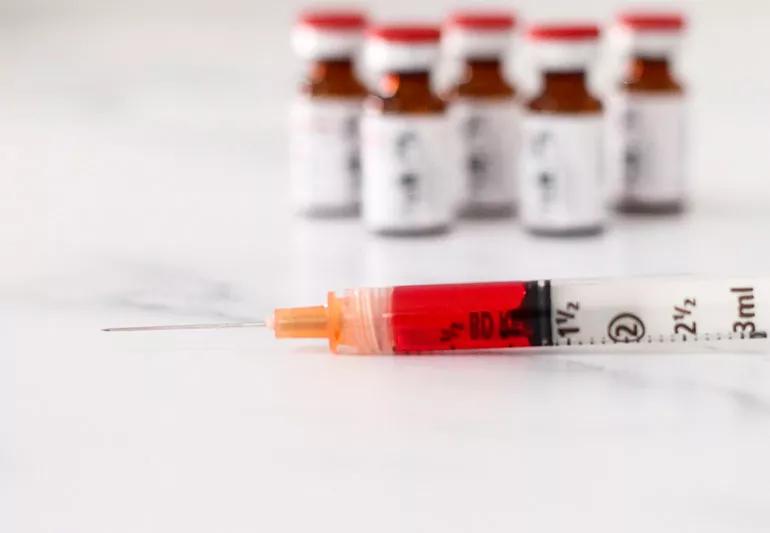
Vitamin B12 Injections: What They Are and Why They’re Used
Vitamin B12 injections deliver cobalamin directly into the body—usually via intramuscular (IM) or sometimes subcutaneous (SC) routes. Clinicians typically recommend injections when oral B12 isn’t reliable due to absorption problems or when symptoms are more urgent (for example, neurologic symptoms, significant anemia, or profound deficiency).
Why injections can work when tablets fail
In my experience, the most useful way to explain “why injections work” is this: B12 deficiency often isn’t a problem of diet alone—it’s frequently an absorption problem. When absorption is impaired (for example, certain gastrointestinal conditions or after certain gastric surgeries), injections bypass the gut and provide a dependable way to raise B12 levels.
That logic is also why injection plans often include a “repletion” phase (to rebuild stores) and then a “maintenance” phase (to keep levels steady). The specific schedule depends on the underlying cause, baseline lab results, and your response over time.
Common goals of treatment
- Improve anemia-related symptoms (fatigue, weakness)
- Reduce neurologic symptoms if they’re present early enough in the course
- Normalize laboratory markers (like serum B12 and related indicators)
- Prevent recurrence by addressing the underlying absorption issue
So… Is a B12 Injection Painful?
Most people experience short-lived discomfort rather than lasting pain. In my hands-on observations with patients who were nervous, the sensation is commonly described as a brief pinch or sting at the moment the needle goes in, followed by possible mild soreness at the injection site for a day or two.
What “pain” usually looks like in real life
Here’s what I’ve seen most often:
- During the injection: quick, localized discomfort (often less intense than people fear)
- After the injection: mild tenderness, warmth, or soreness where the medication was given
- Duration: typically improves within 24–48 hours
Factors that change how painful it feels
Pain perception isn’t only about the needle—it’s also about technique and individual physiology. In clinic, small adjustments can make a noticeable difference:
- Injection site and route: IM vs SC can feel different. Your clinician chooses based on the medication and your situation.
- Muscle tension: if the muscle is tense, the injection can feel sharper. Relaxation helps.
- Needle depth/angle and placement accuracy: proper placement reduces “extra” irritation.
- Medication formulation: some preparations are more likely to cause site soreness.
When to call the clinician
It’s normal to have mild soreness. It’s not normal to ignore concerning symptoms. Contact your clinician promptly if you notice:
- Increasing redness, swelling, or heat at the injection site over time
- Severe pain that doesn’t improve after a couple of days
- Fever or feeling unwell
- Signs of an allergic reaction (for example, hives, facial swelling, trouble breathing)
How Pain Is Managed: Practical Tips That Clinicians Use
In real-world clinic workflows, pain management is usually simple and practical—not complicated. Here are evidence-aligned, commonly used strategies that I’ve seen work for patients who worry about injections.
Before the shot
- Ask about the plan: knowing the timing can reduce anxiety, and anxiety often amplifies pain.
- Use distraction: counting breaths, listening to music, or focusing attention away from the moment can help.
- Warm up the area: a brief warm compress can reduce stiffness and make the tissue more comfortable.
- Don’t tense up: consciously relax the muscle where the shot will be given.
During the shot
- Stay relaxed: tension can make a quick pinch feel bigger.
- Request a calm pace: clinicians can usually accommodate an extra second of positioning and explanation if you ask.
After the shot
- Gentle aftercare: if soreness occurs, some people find a cool or warm compress soothing.
- Move normally: light movement around the area can sometimes reduce stiffness.
- Track symptoms: note how long soreness lasts; this helps refine future comfort strategies.
Important: Follow your clinician’s instructions for any medication-related care (including whether you should take analgesics). Don’t self-adjust dosing.
What to Expect From the Treatment Timeline (And Why It Matters)
One reason people get discouraged is misunderstanding the timeline. In my experience, setting expectations early improves adherence and reduces “is it working?” frustration.
Typical pattern: faster improvement in some symptoms, slower in others
With B12 replacement, energy-related symptoms may improve sooner for some people, while blood count normalization and neurologic recovery (if present) can take longer. The repletion/maintenance approach is designed around these different time scales.
Monitoring and lab follow-up
Your clinician may check relevant lab markers to confirm response and adjust the plan. If you’re being treated for a known absorption issue, your long-term plan may involve ongoing maintenance injections to prevent recurrence.
Common limitations to know upfront
- Not all fatigue is B12: symptoms overlap with iron deficiency, thyroid issues, sleep problems, and more.
- Underlying cause matters: if the absorption issue isn’t addressed, the deficiency may return.
- Neurologic symptoms can be slower: earlier treatment generally offers better chances for improvement.
Choosing an Injection Plan: What Informs the Decision
Clinicians select a dosing approach based on cause, severity, and response. While you shouldn’t self-prescribe, it helps to know what factors your clinician is likely weighing.
- Severity of deficiency: lower levels and more significant symptoms may prompt more intensive repletion.
- Absorption cause: certain gastrointestinal conditions and post-surgical states are common drivers.
- Route preference: IM vs SC may be chosen based on your situation and the medication.
- Need for maintenance: some people require ongoing therapy to keep B12 within a target range.
- Your tolerance and comfort: if injections cause significant discomfort, your clinician can reassess technique, site selection, and follow-up.
FAQ
How long does soreness from a b12 injection usually last?
Most people notice mild tenderness or soreness for about 1–2 days. If pain worsens, redness spreads, or you develop fever, contact your clinician.
Is a b12 injection painful every time?
Usually it’s similar each time—brief discomfort at the moment of injection, with possible mild after-soreness. With relaxed positioning and good technique, discomfort often becomes easier over successive visits.
What should I do if I’m nervous about needles?
Tell your clinician upfront. In my experience, they can slow down the process, explain each step, and focus on comfort measures like proper positioning and muscle relaxation. Distraction techniques can also reduce perceived pain.
Conclusion
In most cases, is a b12 injection painful answers itself: the discomfort is typically brief and localized, with possible mild soreness afterward. The bigger picture is that injections can be a reliable solution when oral B12 absorption is limited, and a thoughtful plan (including technique and aftercare) can make the experience far more manageable.
Next step: Before your first injection, ask your clinician how they plan to administer it (route/site) and what comfort measures they recommend for soreness—then use relaxation and distraction at the appointment to reduce needle anxiety.
Discussion