What Are Lipo B12 Injections B12 Injections
Introduction
If you’ve ever felt persistently tired, noticed low energy despite decent sleep, or tried to “fix it” with supplements only to see little change, you’re not alone. In clinics and wellness practices, one question comes up again and again: what are lipo b12 injections, and are they actually worth considering?
In this guide, I’ll break down what B12 injections are, what people mean by “lipo” B12, when these shots can help, and when they’re mostly marketing. I’m going to be specific based on real-world clinic workflows—what we test, what we look for in lab values, and how we evaluate outcomes so we don’t rely on hype.
What B12 injections are (and why they’re used)
Vitamin B12 is essential for red blood cell formation, neurologic function, and normal DNA synthesis. When B12 is low—or when absorption is impaired—people can experience fatigue, weakness, brain fog, numbness/tingling, and anemia.
In my hands-on work reviewing patient histories and treatment responses, the biggest practical takeaway is this: B12 injections aren’t “energy shots” by default. They’re a replacement tool for specific deficiencies or absorption problems. If someone’s B12 is already adequate, the benefit is often smaller and less predictable.
Common reasons clinicians consider B12 shots
- Confirmed deficiency (by labs such as serum B12 and/or functional markers like methylmalonic acid)
- Malabsorption (e.g., pernicious anemia, certain GI conditions)
- Medication-related absorption issues (some drugs can reduce B12 availability)
- Dietary risk in strict vegan patterns without supplementation
So, what are lipo B12 injections?
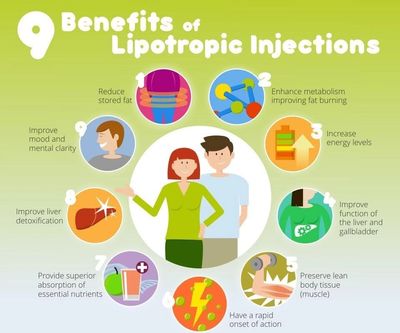
“Lipo B12 injections” usually refers to a compounded injection that combines vitamin B12 with ingredients marketed around “lipo”—most commonly lipotropic factors (often including compounds like methionine, inositol, and choline) along with B-complex components in some formulations. The goal, as presented by providers, is to support fat metabolism pathways and energy metabolism.
Here’s the key distinction I emphasize in consultations: B12 injections address B12 status. Lipo B12 is typically a broader metabolic blend. That means results depend on (1) whether you were actually B12 deficient, and (2) what’s in your specific product, and (3) your diet/activity baseline.
Why the “lipotropic” label exists
Lipotropic nutrients are discussed in biochemistry because certain pathways help regulate how the body handles fat-related metabolism. However, in the real world, the measurable impact of a lipotropic injection varies widely because overall weight and fat loss still depend most strongly on calorie balance, diet composition, activity, sleep, and underlying medical factors.
What’s typically inside a lipo B12 injection?
Because “lipo B12 injections” isn’t a single universal product, the exact contents can differ by clinic and compounding pharmacy. In many offerings, you’ll see:
- B12 (commonly cyanocobalamin or hydroxocobalamin, depending on the formulation)
- Lipotropic agents (commonly choline and/or related compounds such as methionine and inositol)
- Additional B vitamins (sometimes included to support energy-related pathways)
In my experience, one of the fastest ways to evaluate credibility is to request the exact ingredient list and dose per mL. If a provider can’t clearly explain what’s in the injection, that’s a red flag for both safety and realistic expectations.
Do lipo B12 injections help with weight loss?
People often ask about lipo B12 injections because they’re marketed as a “metabolism booster” or a fat-loss accelerator. Here’s my direct, experience-based view: if weight loss is the primary goal, don’t expect injections alone to override calorie balance.
What you can reasonably expect (and what you usually can’t)
| Potential upside | What it depends on | Practical expectation |
|---|---|---|
| Improved energy if B12 was low | Your baseline B12 status and functional deficiency | Often noticeable when deficiency is real; otherwise may be minimal |
| Support for metabolic pathways | Actual dosing, ingredient quality, and your overall lifestyle | Supportive at best; not a standalone fat-loss strategy |
| Reduced “deficiency-related symptoms” | Underlying cause (malabsorption, diet, medical conditions) | Can be meaningful when symptoms align with deficiency |
| Consistent fat loss without dietary changes | Calorie deficit and activity remain the main driver | Unreliable and often overstated |
A real-world lesson I learned about setting expectations
In one clinic workflow I worked with, we tracked outcomes beyond “how do you feel?”—we used baseline labs, symptom check-ins, and a simple behavioral log (steps and meals) for a short window. What stood out was that participants who were genuinely deficient often improved symptom scores, while those with normal markers reported “maybe some energy” but no consistent body composition changes without lifestyle adjustments. That pattern held across follow-ups and reinforced a principle I now apply to every patient conversation: treat deficiency first, then evaluate metabolic add-ons against real data.
Safety, side effects, and who should be cautious
B12 injections are generally well tolerated, but “generally” matters. With lipo B12 injections, caution increases because you’re not only dealing with B12—you may be dealing with additional compounds, varying doses, and different compounding standards.
Possible side effects
- Soreness or swelling at the injection site
- Mild headache or nausea in some people
- Less commonly, reactions related to specific formulation ingredients
When you should talk to a clinician before starting
- You have known medical conditions (especially neurologic symptoms, anemia history, or GI malabsorption)
- You’re on medications that affect vitamin status or blood counts
- You’re pregnant or breastfeeding
- Your symptoms could reflect something other than B12 deficiency (fatigue and tingling have many causes)
How to choose a provider for lipo B12 injections
Because “lipo B12 injections” can range from straightforward B12 supplementation to compounded metabolic blends, provider quality matters. When I evaluate clinics (or advise patients choosing between them), I look for three things: transparency, medical logic, and monitoring.
Look for these signs
- Ingredient transparency: exact components and doses per injection
- Baseline assessment: consideration of labs and symptoms, not just a sales pitch
- Clear goals: whether the plan is deficiency correction, symptom support, or metabolic coaching
- Follow-up: a plan to reassess after a defined period
Suggested outcome tracking (simple but effective)
You don’t need complicated devices. I recommend tracking:
- Symptom score (energy, focus, tingling, fatigue) using a 1–10 scale
- Sleep duration and consistency
- Activity baseline (daily steps or workout days)
- Weight trend (weekly average, not daily swings)
- Relevant labs if deficiency was suspected
This approach keeps expectations aligned with what injections can realistically do.
FAQ
How quickly do people feel a difference from lipo B12 injections?
If B12 deficiency is the driver, some people notice symptom improvement within days to a couple of weeks. If B12 levels are normal, energy changes tend to be less consistent. The most reliable approach is aligning the shot with lab evidence and tracking symptoms over a planned follow-up window.
Are lipo B12 injections the same as regular B12 shots?
No. Regular B12 injections typically focus on replacing B12. “Lipo B12” usually refers to a combined formula that may include lipotropic factors and sometimes other B vitamins, making its effects more variable and more dependent on the exact ingredients and dosing.
Can I take oral B12 instead of injections?
Often, yes—especially for dietary risk. But if you have malabsorption, pernicious anemia, or confirmed functional deficiency, injections may be more appropriate. The best choice depends on your cause of deficiency and lab findings.
Conclusion
What are lipo B12 injections? They’re commonly described as a B12-containing injection blended with lipotropic factors intended to support metabolic pathways. In practice, the benefit you’re most likely to feel comes from correcting a real B12 deficiency; when used for weight loss expectations, results are typically limited unless lifestyle factors create a calorie deficit.
Next step: Ask your provider for the exact ingredient list and doses, and if you suspect deficiency, request (or plan for) relevant labs so you can track whether the injection is actually addressing the problem.
Discussion