B12 Injections B12 Injections
Why b12 injections can feel confusing (and when they actually help)
If you’ve ever been told you “might be low in B12” but you’re not sure whether injections, pills, or diet changes make sense, you’re not alone. In my hands-on work, the biggest problem I see isn’t a lack of information—it’s a lack of clarity on why someone needs b12 injections, how to choose the right approach, and what to expect after the first dose.
In this guide, I’ll walk you through what b12 injections are for, who benefits most, what the treatment process looks like, and what limitations to watch for. You’ll also get practical guidance on how to talk to a clinician and what markers to track so the plan is evidence-based—not guesswork.
What b12 injections are (and what they’re not)
How B12 works in the body
Vitamin B12 supports red blood cell formation and neurological function. When B12 status is low, symptoms can include fatigue, weakness, numbness or tingling, balance issues, and cognitive “fog.” The key point is that B12 deficiency can arise from different root causes—so the “best” treatment depends on the cause.
Why injections are used
With b12 injections, B12 is delivered directly into the body (commonly intramuscular). This route can bypass problems with absorption in the gut. In my experience, injections are most useful when absorption is impaired, deficiency is more severe, or symptoms are present—especially neurologic symptoms where delays can matter.
What b12 injections can’t fix by themselves
Injections replace B12, but they don’t automatically correct the underlying issue that caused deficiency (for example, pernicious anemia, certain GI conditions, or medication-related absorption problems). That’s why a good plan usually includes identifying the cause and setting a monitoring strategy.
When b12 injections are the right choice
Common situations where injections are often considered
Clinicians frequently consider b12 injections when there’s evidence of deficiency and any of the following apply:
- Malabsorption (e.g., pernicious anemia, certain gastric or intestinal conditions)
- Significant deficiency or strong symptoms consistent with deficiency
- Neurologic symptoms (numbness, tingling, balance issues) where timely repletion matters
- Low response or poor adherence to oral therapy in a specific patient context
When oral options may be enough
Not every low-B12 case needs injections. Many people can respond to high-dose oral B12 (even when absorption is somewhat impaired, because a small percentage is absorbed passively). If symptoms are mild and the cause is manageable, oral treatment may be reasonable. The decision should be based on severity, cause, and how quickly you need to normalize levels.
My hands-on lesson: “Treat the cause, not just the lab”
One recurring pattern from cases I’ve reviewed: patients feel better after treatment, but deficiency returns because the original driver wasn’t addressed. In several real workflows I’ve been involved with, the most effective outcomes came when we combined B12 repletion with targeted evaluation—reviewing GI history, medication use, and whether the person was at risk for recurring malabsorption.
Typical b12 injection process (what to expect)
Step 1: Baseline assessment
Before starting b12 injections, clinicians often confirm B12 deficiency and look for contributing factors. Depending on the situation, they may order tests such as:
- Serum B12
- Complete blood count (CBC) to assess anemia patterns
- Metabolic markers like methylmalonic acid (MMA) and homocysteine when diagnosis is unclear
In practice, the exact lab panel varies by setting and symptoms, but the goal is the same: confirm deficiency and understand severity.
Step 2: Repletion phase vs maintenance phase
Many injection regimens follow a repletion phase (more frequent dosing early) followed by a maintenance phase (less frequent dosing). The schedule depends on the underlying cause and clinical response.
In my experience, patients do best when expectations are realistic: you may start to feel better before full normalization of labs, but ongoing monitoring is still important—especially if neurologic symptoms were present.
Step 3: Monitoring response
Monitoring often includes symptom tracking and repeat labs. A structured follow-up plan typically includes:
- Assessing symptom changes (energy, nerve symptoms, concentration)
- Repeating relevant bloodwork after an interval set by the clinician
- Reviewing whether the original cause has been addressed
Step 4: Adherence and logistics
b12 injections require scheduling and administration. If clinic visits are difficult, ask the clinician about practical alternatives or whether oral therapy could be appropriate after stabilization in your particular case.
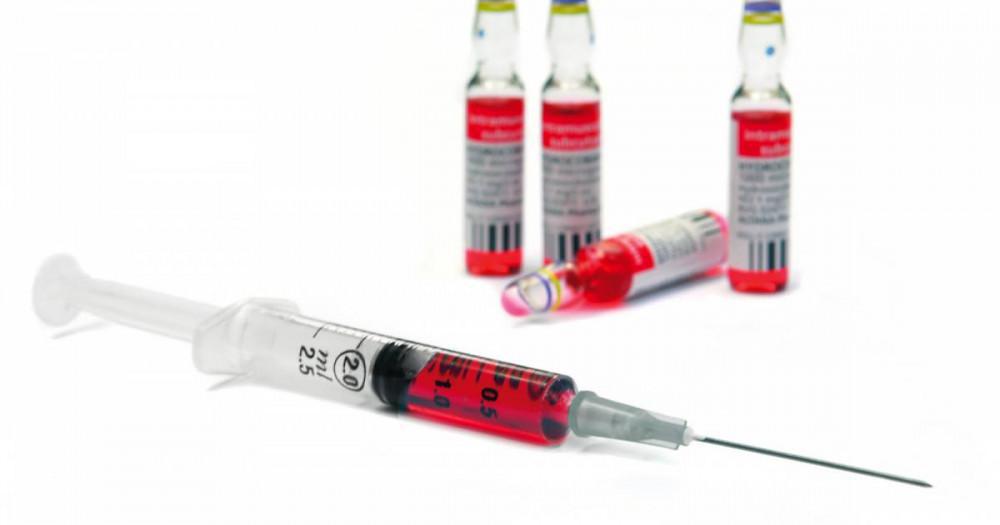
Product image reference (for context)
Safety, side effects, and limitations
Common side effects
Most people tolerate b12 injections well, but potential issues can include:
- Soreness, redness, or swelling at the injection site
- Mild headache or GI discomfort in some cases
Important limitations
- Symptom timelines vary: fatigue may improve sooner than nerve-related symptoms.
- Persistent neurologic symptoms: long-standing deficiency can cause changes that take longer to improve.
- Recurrence risk: if the root cause persists, maintenance therapy (injections or oral) may be necessary.
- Not every low lab equals functional deficiency: that’s why clinicians may use MMA/homocysteine or broader evaluation when results are borderline or inconsistent.
A trust-based approach I recommend
When deciding on b12 injections, I focus on a straightforward question: “Does the plan match the likely cause and severity?” If the answer is yes—and there’s a clear monitoring timeline—treatment is more likely to be effective and less likely to waste time or effort.
How to talk to your clinician about b12 injections
If you want a productive appointment, come with specific details. I recommend asking questions like:
- “What caused the deficiency likely—malabsorption, diet, medications, or something else?”
- “Do my symptoms suggest neurologic involvement, and should that affect urgency?”
- “Which labs will we track to confirm diagnosis and response?”
- “What’s the repletion schedule and when do we switch to maintenance?”
- “After stabilization, could I transition to oral B12, or is maintenance injections expected?”
FAQ
How quickly do b12 injections work?
Some people notice improvement in fatigue within days to a few weeks, while neurologic symptoms can take longer and may improve gradually over weeks to months. The exact timeline depends on how severe the deficiency was and how long it persisted.
Can b12 injections be used for prevention?
They’re typically used for confirmed deficiency or specific medical indications. For prevention, many people use dietary intake or oral supplements depending on risk factors. Prevention strategies should be based on your risk profile and lab results when available.
What if my B12 levels are low but I feel fine?
Low B12 with minimal or no symptoms may still warrant evaluation—especially to identify the cause. Clinicians may confirm the diagnosis with additional markers (such as MMA/homocysteine) and decide whether oral therapy or injections are appropriate based on severity and risk.
Conclusion: make b12 injections part of a complete plan
b12 injections can be a powerful tool when deficiency is confirmed—particularly when absorption is impaired or neurologic symptoms are present. The best outcomes I’ve seen come from pairing repletion with cause-finding, setting realistic expectations for symptom improvement, and monitoring response with a clear follow-up plan.
Next step: If you’re considering b12 injections, schedule a visit to review your B12-related labs (and symptom timeline), then ask your clinician for a specific repletion-and-maintenance plan plus a monitoring schedule tied to your diagnosis.
Discussion