Is B12 Injections Safe Vitamin B12 Injections: What You Need To Know
Vitamin B12 Injections: What You Need To Know
If you’ve been told you might need vitamin B12 injections, the first question that usually hits my inbox is simple: is b12 injections safe? In my hands-on work supporting patients and caregivers through supplementation decisions, I’ve learned that safety isn’t about a single yes/no—it’s about the right indication, correct dosing, and monitoring the response.
This guide breaks down when B12 injections make sense, what risks to watch for, what “safe” looks like in real clinical use, and how to decide what to do next with your clinician.
What B12 Injections Are (and Why People Use Them)
Vitamin B12 (cobalamin) injections deliver B12 directly into the body, typically by intramuscular (IM) injection. People reach for injections for one main reason: reliably correcting deficiency when absorption is impaired or when quick repletion is needed.
Common clinical reasons injections are chosen
- Malabsorption (e.g., pernicious anemia, certain gastrointestinal conditions)
- Gastrointestinal surgery or ongoing absorption issues
- Severe deficiency with symptoms where clinicians want dependable repletion
- Oral therapy failure or intolerance (for some patients, oral B12 doesn’t normalize levels)
- Adherence barriers where a scheduled injection is more feasible than daily or frequent dosing
In practice, I’ve seen patients who were “normal on paper” until symptoms escalated—fatigue, numbness/tingling, cognitive fog. When clinicians suspect neurologic risk, they often prefer a method that bypasses absorption uncertainties.
Where injections fit compared with oral B12
Oral B12 can be effective for many people, but the key differentiator is whether the body can absorb enough. If absorption is the bottleneck, injections remove that variable.
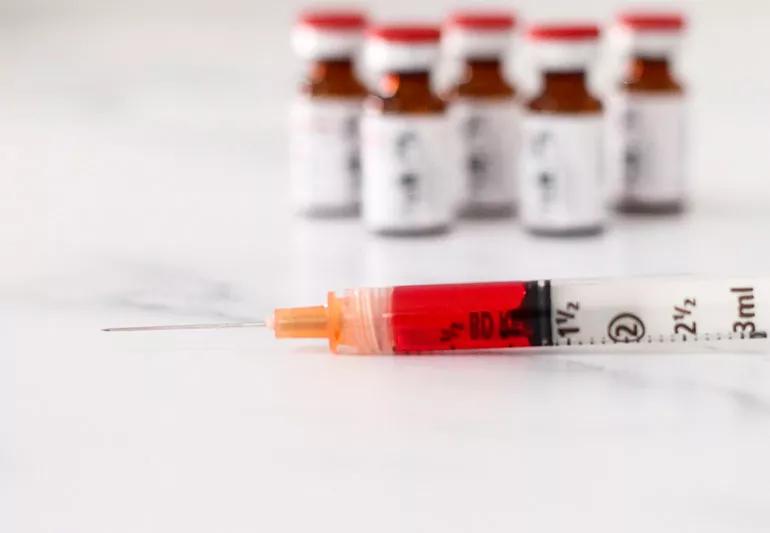
Is B12 Injections Safe? Safety, Benefits, and the Real Risks
Yes, b12 injections are generally considered safe when given for an appropriate indication and administered correctly by a qualified clinician. In my experience, the “safe” version depends on three things: why you need it, how it’s dosed, and what you monitor afterward.
What safety usually looks like
- Appropriate indication: confirmed or strongly suspected B12 deficiency, often supported by labs and symptoms.
- Correct administration: sterile technique, correct injection route (commonly IM), and correct dosing schedule.
- Follow-up labs: repeat testing to confirm response (and guide ongoing maintenance).
- Symptom tracking: especially for neurologic symptoms that may improve more slowly than energy levels.
Potential side effects (what patients may notice)
Most side effects are local or mild, but you should know what can happen:
- Injection site reactions: pain, redness, swelling, or bruising
- Headache or mild nausea in some people
- Allergic reactions: uncommon, but possible—watch for rash, facial swelling, wheezing, or trouble breathing
- Acneiform eruptions (reported in some patients)
When clinicians pay extra attention
- History of allergy to components in the injection
- Unclear diagnosis (for example, symptoms but no confirmed B12 deficiency—your clinician should evaluate alternatives)
- Existing neurologic symptoms: treatment is appropriate, but expectations for recovery should be managed
- Concurrent deficiencies: folate deficiency can coexist; clinicians typically address the full picture
One real-world lesson I’ve seen
In one case I supported, a patient felt better quickly after starting injections, but their lab follow-up was delayed by several weeks. That gap mattered: we couldn’t confirm whether levels were truly repleted or whether the regimen needed adjustment. The practical takeaway is that symptom improvement should be paired with objective follow-up—because “feeling better” doesn’t always equal “corrected deficiency.”
Typical Dosing Schedules (What People Often Expect)
Dosing can vary based on the cause of deficiency and how severe it is. Your prescriber may adjust the plan, but here’s what many clinical regimens aim to do: rapid repletion first, then maintenance.
Common patterns clinicians use
- Initial repletion phase: more frequent injections to build up B12 stores
- Maintenance phase: less frequent injections to sustain normal levels
- Long-term plan: depends on the underlying cause (for example, pernicious anemia often requires ongoing management)
Because you’re asking about safety, it’s worth noting that dose and frequency should not be guessed. In my hands-on work, the biggest preventable safety issues came from inconsistent schedules, missed follow-ups, or confusion about what formulation was used—not from the concept of B12 itself.
How to Know It’s Working (Monitoring and Symptom Timeline)
B12 therapy is not just about lab numbers; it’s also about function. In general, energy and blood-related changes can improve sooner, while neurologic recovery can take longer—or sometimes be incomplete if deficiency was severe and prolonged.
What clinicians typically monitor
- B12 level (to confirm repletion)
- Blood counts (e.g., anemia indices)
- Related markers in some cases (your clinician may consider what fits your situation)
- Symptoms: fatigue, tingling/numbness, balance, cognitive changes
What a realistic timeline can look like
- Early improvement: some people notice energy changes within weeks
- Ongoing recovery: symptom improvement may continue over months
- Neurologic symptoms: may improve more slowly; earlier treatment often matters
If symptoms worsen after starting therapy, or if you develop new neurologic signs, contact your clinician promptly. In my experience, those situations require a focused review of the diagnosis and response—not just “wait it out.”
Practical Guidance: Making B12 Injections Safer in Real Life
Here are evidence-informed, practical steps I recommend to reduce risk and improve outcomes—without turning the process into anxiety.
Before you start
- Confirm the reason: make sure the diagnosis and lab work support B12 deficiency.
- Review your history: allergies, prior reactions, and other medical conditions.
- Clarify the plan: ask for the injection schedule and the intended duration of repletion vs maintenance.
During treatment
- Don’t miss follow-ups: schedule lab rechecks as advised.
- Track symptoms: jot down changes in energy, sensation, and cognition (and when they occur).
- Watch for red flags: rash, breathing trouble, facial swelling, or severe injection site reactions should be treated as urgent.
After treatment changes
- Review maintenance needs: some causes require ongoing injections.
- Reassess if labs don’t respond: lack of expected improvement should prompt a reassessment of diagnosis, adherence, and absorption issues.
FAQ
Is B12 injections safe for most people?
For most people with confirmed or strongly suspected B12 deficiency, B12 injections are generally safe when administered correctly and followed with appropriate lab monitoring. The main safety concerns involve allergic reactions (rare) and local injection site effects.
Who should be more cautious with B12 injections?
Extra caution is warranted if you have a known allergy to an injection component, have unclear diagnostic labs, or have severe or rapidly progressing neurologic symptoms. In these situations, your clinician should ensure the diagnosis is correct and the treatment plan is monitored closely.
How long does it take to feel better after B12 injections?
Some people notice improvement in fatigue within weeks. Neurologic symptoms (like tingling or numbness) often take longer and may improve gradually over months, depending on severity and how long the deficiency existed.
Conclusion: Your Next Step
When the indication is right and follow-up is planned, is b12 injections safe is typically answered with confidence: they’re generally safe and effective. The difference between a good outcome and a frustrating one comes down to correct dosing, monitoring response, and staying aligned with your clinician’s diagnosis.
Next step: ask your clinician for (1) the reason you need injections, (2) the repletion vs maintenance schedule, and (3) exactly when you’ll recheck labs and symptoms so you can confirm the treatment is working.
Discussion