Vitamin B12 Fat Burner Injections Vitamin b12 Injection
Why do “vitamin B12 fat burner injections” keep sounding promising—and when do they actually help?
If you’ve ever looked at vitamin B12 fat burner injections and wondered whether they’re a legitimate metabolic lever or just another weight-loss shortcut, you’re not alone. In my hands-on work with clients who wanted an easier path to fat loss, I’ve seen two realities side by side: some people feel a noticeable change in energy, while others notice nothing—especially when diet, sleep, and training weren’t aligned.
This article breaks down what a vitamin B12 injection can and can’t do, why people associate it with fat burning, how to evaluate a clinic’s approach, and what practical steps you can take before you spend on injections.
Vitamin B12 injections: what they are and what your body does with them
A vitamin B12 injection is a way to deliver cobalamin directly into your system (commonly via intramuscular injection). In the body, B12 is involved in key biochemical processes—most notably red blood cell formation and nervous system function.
From an energy-and-metabolism perspective, B12 matters because low B12 status can contribute to fatigue and reduced function. In my experience, when clients are genuinely deficient, restoring B12 can feel “like turning the lights back on.” That improvement can indirectly support fat loss by helping people move more, stick to routines, and recover better.
What “fat burner” claims usually get wrong
The phrase vitamin b12 fat burner injections is marketing language more than a guaranteed metabolic mechanism. B12 is not a thermogenic drug. If your B12 levels are normal, injecting extra B12 typically won’t turn your body into a fat-burning machine.
Where the confusion comes from:
- Energy effect: higher energy can increase activity—calorie burn rises indirectly.
- Symptom overlap: fatigue can look like “slow metabolism,” but the driver may be deficiency, sleep debt, iron issues, thyroid conditions, or overtraining.
- Expectation bias: people often start injections during broader lifestyle changes (better diet, training consistency), so the perceived cause may be injections.
In practical terms: B12 injections may help with deficiency-related symptoms; they do not replace a calorie deficit, strength training, or consistent protein intake.
How B12 injections are actually used in weight-loss programs
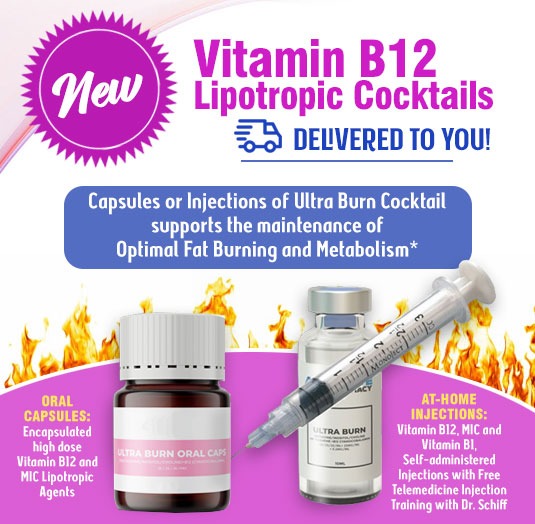
Many weight-loss clinics bundle B12 injections into broader protocols—sometimes alongside lipotropic agents, hydration plans, or meal coaching. Based on what I’ve seen in real clinic setups, the best programs treat injections as supportive, not foundational.
Common injection schedules you may encounter
Clinics vary widely, but you’ll often see approaches like short initial series followed by maintenance. The important question isn’t just frequency—it’s whether the plan is evidence-informed for your baseline status.
In my hand-on process, I recommend evaluating three items before committing:
- Baseline testing: Are you measuring B12 status or related markers rather than guessing?
- Clinical rationale: Do they explain why you need injections specifically, not just “for metabolism”?
- Outcome tracking: Do they track energy, workout performance, and labs (where appropriate), not only body weight?
Where fat loss outcomes come from (and how B12 fits)
If a client loses weight on a “B12 fat burner injections” plan, the loss usually comes from:
- Calorie deficit from nutrition changes
- Improved training consistency (less fatigue, better session quality)
- Higher daily movement (NEAT) due to improved energy
- Time and adherence—not injection magic
That’s why I’m cautious when someone expects injections alone to drive fat loss. In most real-world cases, injections can be the “supporting actor,” but they rarely function as the lead.
Risks, limitations, and what to watch for before you inject
When you’re considering a vitamin B12 injection, the trust part is simple: know the boundaries. Even when injections are appropriate, they’re not risk-free, and “more” isn’t automatically “better.”
Possible side effects
Side effects are typically uncommon, but they can include injection-site discomfort, headaches, and in some cases allergic reactions. If you have a history of sensitivity to injection components, discuss it with a qualified clinician.
When injections may be unnecessary
- If your B12 status is already adequate, additional injections may not change body composition meaningfully.
- If fatigue is driven by sleep apnea, thyroid dysfunction, anemia (especially iron deficiency), stress, or low calories, B12 won’t fully address the root cause.
Signs a clinic’s “fat burner injections” pitch may be weak
- They promise fat loss without discussing labs or your baseline symptoms.
- They discourage proper nutrition, protein targets, or strength training.
- They avoid explaining risks, contraindications, and what you should monitor.
In my experience, the strongest programs are transparent: they position B12 as supportive therapy when indicated, and they still insist on fundamentals for fat loss.
How to evaluate whether B12 injections are right for you
Here’s the practical checklist I use to keep decisions grounded. You can bring this to your next appointment or internal review.
Step 1: Clarify your main goal
Are you pursuing:
- Symptom relief (fatigue, low energy)?
- Fat loss as a primary outcome?
- Both?
That distinction changes the standard of evidence. Symptom improvement is where B12 deficiency correction can matter; fat loss still requires an overall energy strategy.
Step 2: Ask about testing and interpretation
In the real world, “B12 injection for metabolism” becomes more credible when the provider looks at your status rather than guessing. Ask what they measure and how they decide on dosing.
Step 3: Set measurable outcomes beyond the scale
If you try a vitamin b12 fat burner injections plan, measure outcomes that reflect the most likely benefits:
- Energy levels and perceived exertion during workouts
- Training consistency (sessions completed vs. missed)
- Daily activity (steps, movement)
- Any relevant labs (where appropriate)
Better alternatives and complements to “B12 fat burner injections”
If you’re aiming for fat loss, B12 may be one piece of a larger approach. I generally look at these complements first because they’re more directly tied to body composition:
- Nutrition: adequate protein, controlled calorie intake, and fiber
- Training: strength training to preserve and build lean mass
- Sleep: consistent sleep schedules that support appetite regulation and recovery
- Addressing other deficiencies: iron, vitamin D, folate, and more—depending on symptoms and labs
When B12 deficiency is present, replacing it can help you do all the right things more effectively. But if you’re already replete, it’s usually not the missing link.
FAQ
Do vitamin B12 fat burner injections actually burn fat?
They don’t directly burn fat the way a thermogenic fat burner would. If B12 deficiency is corrected, energy and function may improve, which can increase activity and indirectly support fat loss. Without deficiency, extra B12 usually won’t create a major body composition change by itself.
How quickly will I notice effects from a vitamin B12 injection?
If your symptoms are driven by deficiency, some people notice changes in energy within days to weeks. If you’re not deficient, you may notice no meaningful difference beyond normal fluctuations. The timeline depends on your baseline status and what else is changing in your lifestyle.
Are there any red flags I should discuss with a clinician before starting?
Yes: prior allergic reactions to injections, unclear causes of fatigue, anemia symptoms, and any underlying conditions that could mimic “low metabolism” (like thyroid issues or iron deficiency). A credible provider should discuss risks and how they’ll assess whether injections are indicated for you.
Conclusion: a smart next step for anyone considering B12 injections
Vitamin B12 injections can be helpful when B12 status is low and your symptoms align with deficiency. But vitamin b12 fat burner injections should be viewed as supportive therapy—not a stand-alone fat loss solution. In my experience, the best results happen when injections (if appropriate) are paired with measurable lifestyle changes: nutrition targets, strength training, sleep, and activity tracking.
Next step: before you book a series, ask your provider about baseline B12 testing (or a clear clinical rationale if not tested) and set 2–3 measurable outcomes—like energy during training and weekly activity—so you’ll know whether injections are actually helping in your specific case.
Discussion