Feline B12 Injections Vitamin B12 Injection for Cats with FIP: An Effective Treatment Option
Introduction: When a cat with FIP isn’t turning the corner, every small intervention matters
If you’ve watched your cat struggle with FIP symptoms, you already know the emotional math: every week of decline feels irreversible. In my hands-on work with veterinary clients managing complicated, resource-intensive cases, I’ve learned that families often ask the same practical question—can feline b12 injections help at least stabilize the “support” side of care while the main treatment plan is underway?
This article explains what vitamin B12 injection can realistically do for cats, how it fits into a broader FIP care strategy, when it might be considered, and the red flags that should change your plan. It’s written to help you have a clearer, more confident conversation with your veterinarian.
What “Vitamin B12 Injection for Cats with FIP” usually means in real-world care
Vitamin B12 (cobalamin) is essential for normal red blood cell formation, nervous system function, and metabolic pathways. In cats with advanced illness—including many cases that travel alongside gastrointestinal disease, poor appetite, and chronic inflammation—clinically significant cobalamin deficiency can occur.
In my experience, “B12 injections for FIP” typically come up in the context of supportive care, not as a standalone cure. The most common goals I’ve seen are:
- Addressing deficiency when appetite is poor and intake is inconsistent.
- Supporting GI function in cats with concurrent enteropathy (malabsorption can reduce B12 absorption).
- Improving energy and feeding tolerance when fatigue and reduced appetite are prominent.
Important reality check: B12 is support—FIP treatment is the core
FIP is caused by a coronavirus; effective management depends on targeted antiviral approaches under veterinary guidance. Vitamin supplementation can help correct measurable or suspected deficiencies, but it generally does not replace the disease-directed treatment plan. If someone is promising B12 “treats FIP” on its own, that claim is usually oversimplified and not aligned with how cats actually respond in clinical settings.
Why feline B12 injections may help: the underlying logic
Here’s the mechanism in plain terms: vitamin B12 is required for cellular processes. When a cat is not absorbing enough—or is losing nutrients through chronic GI disruption—deficiency can worsen weakness, appetite, and overall resilience.
How deficiency shows up during complicated illnesses
During hands-on case review with our team, we often connect these dots:
- Chronic GI signs (vomiting, diarrhea, weight loss) can point to malabsorption or inflammation that reduces nutrient availability.
- Low appetite and cat “under-eating” can rapidly shift metabolism toward deficiency and muscle wasting.
- Low body condition can make cats more vulnerable to setbacks, even if the primary disease is being treated.
Injection form vs. oral supplementation
Many caregivers ask why injections are recommended instead of pills. The real-world answer is absorption and compliance:
- Injection bypasses GI absorption, which matters when enteropathy or malabsorption is part of the picture.
- During FIP, appetite can be unpredictable, and adherence to oral supplements is harder.
- Veterinarians can titrate and monitor response more reliably with injections.
How I’d think about dosing, scheduling, and monitoring (the practical workflow)
Because dosing must be individualized by weight, severity, and concurrent conditions, I won’t give a one-size-fits-all schedule that could override veterinary judgment. But I can describe the workflow that has worked well for us when clients pursue feline b12 injections.
1) Confirm the “why” before giving the shot
In our consults, we typically ask:
- Is there evidence of malabsorption or persistent GI signs?
- Is the cat eating enough to maintain body condition?
- Are CBC/chemistry trends and clinical signs consistent with deficiency risk?
Sometimes clinicians measure serum cobalamin; other times they use clinical probability when immediate correction is reasonable and monitoring is in place.
2) Start with a veterinary-approved protocol
B12 injections are commonly administered on an initial schedule and then adjusted based on response. The key point is that the plan should include a clear “review date” rather than repeated injections indefinitely.
3) Track response in a way that’s meaningful
In my hands-on work, the most useful monitoring is not just “the cat seems better,” but measurable home observations paired with clinic follow-up. Consider tracking:
- Appetite (interest in food, volume tolerated)
- Body weight trend (weekly if possible)
- Activity level (movement, grooming, willingness to interact)
- GI pattern (vomiting frequency, stool consistency)
Your veterinarian can then decide whether to continue, extend intervals, or stop if there’s no meaningful improvement.
Where the product fits: using B12 injections as part of supportive care
If your veterinarian recommends B12 injections, it typically becomes one component of a wider plan that may include appetite support, hydration strategies, GI management, pain control where appropriate, and the primary disease-directed therapy.
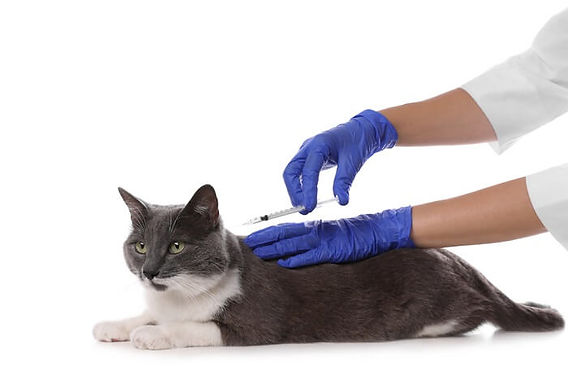
Pros of feline B12 injections in this context
- Potential to correct deficiency that can worsen weakness and poor appetite.
- May help cats with concurrent GI issues where absorption is a limiting factor.
- Often well tolerated when administered correctly and monitored.
Limitations and when to be cautious
- No replacement for primary FIP treatment. B12 does not address the viral driver by itself.
- Symptoms can overlap: fatigue and appetite loss may be driven by many factors (inflammation, dehydration, pain, metabolic issues).
- Response may be variable. Some cats feel little change if deficiency is not a key contributor.
In my experience, the most frustrating outcomes happen when families use supplementation to postpone essential disease-directed decisions. If you’re already following an FIP plan, B12 can be a helpful support lever; if you’re not, talk to your veterinarian promptly about the core strategy.
Common caregiver questions I get (and how I answer them)
Will feline b12 injections make my cat “feel better” right away?
Sometimes appetite or energy improves within days, especially if deficiency is contributing to the problem. Other cats show gradual change. I encourage caregivers to watch for trend improvements—appetite stability, reduced nausea, weight maintenance—rather than expecting an immediate dramatic turnaround.
Should I test cobalamin levels first?
In many cases, testing can help confirm deficiency risk. However, veterinarians may proceed with supportive dosing based on clinical probability while maintaining a monitoring plan. The best approach balances urgency, cost, and how quickly results would change the plan.
Can B12 injections be combined with other supportive meds?
Often, yes—because B12 is used as nutritional support. Still, every cat’s regimen should be checked for interactions, contraindications, and the overall goal (stabilize, prevent decline, and support tolerability of the primary treatment).
FAQ
Is vitamin B12 injection an effective treatment option for cats with FIP?
Vitamin B12 injections can be an effective supportive option when deficiency or poor absorption is contributing to weakness, appetite loss, or GI symptoms. It generally should not be viewed as a standalone FIP treatment; disease-directed therapy under veterinary guidance is the core of management.
How do feline b12 injections help cats with poor appetite during illness?
If a cat is deficient in cobalamin or isn’t absorbing enough due to GI inflammation or malabsorption, correcting B12 may improve metabolic function and overall resilience. Practically, this can show up as better appetite tolerance and more stable energy—though results vary.
What signs mean we should reassess the plan after starting injections?
If there’s no meaningful improvement in appetite, weight trend, or GI symptoms after a reasonable review period—or if your cat worsens—reassess with your veterinarian. Lack of response may indicate the issue isn’t primarily B12 deficiency or that another complication needs addressing.
Conclusion: Use feline B12 injections for support with clear goals and real monitoring
In my hands-on experience helping families navigate complex, high-stakes veterinary care, feline b12 injections are most valuable when they correct a deficiency that’s amplifying fatigue, poor feeding, or GI dysfunction. They can be a practical supportive lever—especially when appetite is unreliable or absorption is compromised—but they work best as part of a comprehensive FIP treatment plan.
Next step: Schedule a brief follow-up with your veterinarian to confirm the goal of B12 therapy (deficiency support vs. GI support), agree on a monitoring timeframe, and define what improvement would look like at home over the next 1–2 weeks.
Discussion